Electric Car Charger for Home: What You Must Know Before Installation
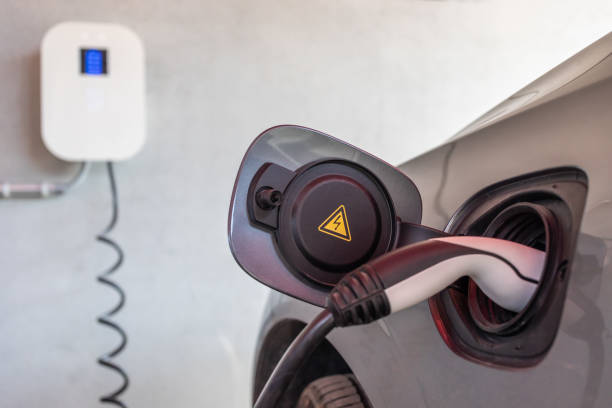
Installing an electric car charger for home is one of the most important steps for electric vehicle ownership. While public charging infrastructure continues to expand, home charging remains the most practical and consistent solution for daily use. With guidance and technical insight from EV-Hub (Wholesale) Limited, a well-planned setup can improve convenience, reduce charging costs, and ensure your vehicle is ready whenever you need it.
However, home charger installation involves more than simply choosing a charger and plugging it in. Factors such as electrical capacity, wall charger considerations, charging speeds, and long-term usability all influence the outcome. This guide explains what you need to know before installation so you can make informed decisions based on your home setup and driving habits.
EV-Hub (Wholesale) Limited supports EV owners by providing access to reliable charging solutions and clear technical information, helping users understand their options before committing to an installation.
Why Home Charging Matters for EV Owners
Home charging allows you to control when and how your vehicle charges. Instead of relying on public stations, you can charge overnight or during off-peak hours, often at a lower cost.
An electric car charger for home also supports routine charging habits, which can help maintain battery health over time. For many drivers, home charging becomes the primary charging method, with public chargers used only when travelling longer distances.
Understanding how home charging works helps ensure your installation aligns with both current and future needs.
Types of Home EV Chargers Explained
Before planning home charger installation, it is essential to understand the main charger options available for residential use.
Level 1 Chargers
Level 1 chargers use a standard household outlet. They require no special installation but provide slow charging speeds.
Best suited for:
- Very low daily mileage
- Occasional charging needs
- Temporary or backup charging
While accessible, this option may not meet the needs of most EV owners over the long term.
Level 2 Wall Chargers
Level 2 chargers are the most common electric car charger for home installations. They operate on a dedicated circuit and deliver faster charging speeds.
Key benefits:
- Faster overnight charging
- Compatible with most EVs
- Designed for long-term use
Wall charger considerations such as placement, cable length, and electrical capacity play a significant role in successful installation.
EV-Hub (Wholesale) Limited provides access to a range of Level 2 chargers suitable for residential environments.
Charging Speeds and What They Mean for Daily Use
Charging speeds determine how quickly your vehicle can replenish its battery. They are influenced by both the charger output and your vehicle’s onboard charging capacity.
A Level 1 charger may take more than 24 hours to fully charge a depleted battery, while a Level 2 charger can often complete charging overnight. Understanding charging speeds helps match your charger choice to your daily driving requirements.
Drivers with longer commutes or limited charging windows typically benefit from faster home charging solutions.
Electrical Capacity and Safety Requirements
One of the most important aspects of home charger installation is assessing your home’s electrical system. Not all homes are immediately ready to support a higher-powered charger.
Key factors include:
- Available electrical capacity
- Circuit breaker ratings
- Wiring condition
- Local electrical regulations
A qualified electrician should always assess your setup before installation. Safety features such as ground fault protection and surge protection are essential for reliable operation.
EV-Hub (Wholesale) Limited emphasizes the importance of compliance and safety when selecting an electric car charger for home use.
Wall Charger Considerations Before Installation
Wall charger considerations go beyond charger selection. Placement and usability affect long-term satisfaction.
Important considerations include:
- Distance from parking space
- Indoor vs outdoor installation
- Weather resistance
- Cable management and accessibility
Choosing the right location ensures convenience and reduces wear on charging cables. These details are often overlooked but significantly affect daily usability.
Installation Process Overview
Home charger installation typically follows several steps:
- Site assessment by a qualified electrician
- Electrical upgrades if required
- Charger mounting and wiring
- Safety testing and commissioning
Proper installation ensures optimal charging speeds and protects both your vehicle and electrical system. Cutting corners can lead to performance issues or safety risks.
Cost Factors and Long-Term Value
The cost of installing an electric car charger for home includes more than the charger itself. Installation costs, potential electrical upgrades, and long-term efficiency all influence overall value.
A balanced approach considers:
- Charger price
- Installation complexity
- Energy efficiency
- Durability and lifespan
A higher-quality charger may involve a greater upfront cost but can deliver better performance and reduced maintenance over time.
Comparing Home Charger Options
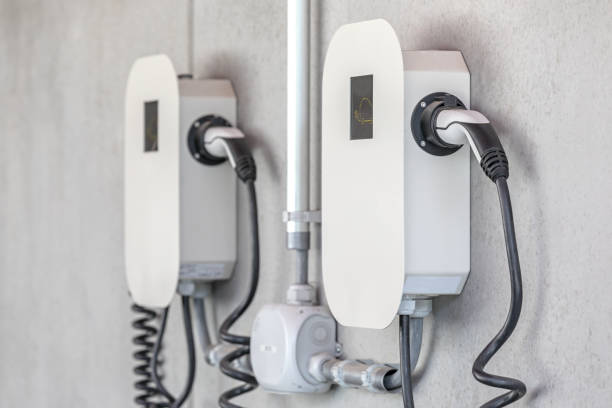
The table below outlines common residential charging options.
| Charger Type | Power Level | Typical Charging Speeds | Suitable For |
| Level 1 | Low | Very slow | Minimal daily driving |
| Level 2 | Medium | Moderate to fast | Daily home charging |
| Smart Wall Charger | Medium | Optimized | Energy monitoring and scheduling |
This comparison highlights why wall-mounted Level 2 chargers are often the preferred choice for home installations.
Smart Features and Energy Management
Modern home charging solutions increasingly include smart features designed to improve control, efficiency, and visibility over charging activity. These features allow EV owners to better manage how and when their electric car charger for home operates, especially in households with varying energy demands.
Common smart features include:
- Scheduled charging, which allows charging to occur during off-peak electricity hours, helping reduce energy costs
- Energy usage tracking, providing insight into consumption patterns and supporting better household energy planning
- Load balancing, which helps prevent electrical overload by adjusting charging output based on overall home energy usage
- App-based monitoring, enabling users to start, stop, or review charging sessions remotely
By using these tools, EV owners can manage charging speeds more effectively and maintain consistent performance without placing unnecessary strain on their electrical system. Smart energy management is particularly valuable in homes with limited electrical capacity or multiple high-demand appliances.
Planning for Future Needs
When planning home charger installation, it is important to think beyond immediate requirements. Changes such as vehicle upgrades, longer daily commutes, or the addition of another electric vehicle can significantly alter charging demands over time.
Selecting a charger with adequate power capacity and adaptable features helps future-proof your setup. Chargers that support adjustable charging speeds or software updates may continue to meet evolving needs without requiring full replacement. Reviewing wall charger considerations early, including cable length, mounting location, and electrical compatibility, supports long-term usability.
EV-Hub (Wholesale) Limited encourages EV owners to evaluate scalability when choosing a charger, helping ensure that today’s installation remains suitable as driving patterns and household requirements change.
How EV-Hub (Wholesale) Limited Supports Home Charging Decisions
EV-Hub (Wholesale) Limited provides structured access to electric car charger for home solutions by presenting detailed technical information that helps users understand how different chargers perform in residential environments. Specifications such as power output, connector type, charging speeds, and electrical requirements are clearly outlined, allowing EV owners to assess suitability before committing to home charger installation.
In addition to product specifications, EV-Hub (Wholesale) Limited organises charging solutions into clearly defined categories. This structure supports effective comparison by enabling users to evaluate wall charger considerations such as installation location, weather resistance, and long-term usability. By reviewing chargers side by side, users can better understand how different models align with their driving habits and available electrical capacity.
The platform also supports informed planning by highlighting compatibility factors and practical installation requirements. This helps reduce uncertainty during the selection process and encourages realistic expectations around setup timelines and costs. Through this approach, EV-Hub (Wholesale) Limited assists EV owners in making well-informed decisions based on practical needs rather than assumptions.
Conclusion
Installing an electric car charger for home is a practical investment that supports daily convenience and long-term EV ownership. By understanding home charger installation requirements, evaluating wall charger considerations, and selecting appropriate charging speeds, EV owners can ensure a safe and efficient setup.
Careful planning, professional installation, and future-focused decision-making all contribute to a reliable home charging experience. EV-Hub (Wholesale) Limited provides the information and resources needed to support informed choices at every stage.
If you need guidance on selecting the right charger or planning your installation, contact us through EV-Hub (Wholesale) Limited to discuss your home charging requirements.
Frequently Asked Questions
Yes. Professional installation ensures electrical safety, compliance with regulations, and correct performance.
For most households, a Level 2 wall-mounted charger offers the best balance of speed and convenience.
Charging times depend on charging speeds and battery size. A Level 2 charger typically completes charging overnight.
An electrician should assess your system before installation to confirm capacity and safety.
You can review available chargers through EV-Hub (Wholesale) Limited’s online catalogue.