The Latest Developments in the Electric Vehicle Market
The electric vehicle (EV) market is undergoing rapid transformation as innovation, sustainability goals, and shifting consumer preferences to reshape the global transportation landscape. What was once considered a niche alternative to internal combustion engine vehicles has evolved into a mainstream movement supported by governments, manufacturers, and consumers alike.
Advancements in technology, expanding infrastructure, and increased awareness of environmental impact are accelerating the adoption of electric vehicles worldwide. As the market matures, the focus has shifted from early adoption to long-term scalability, performance, and integration with broader energy and mobility ecosystems—including the growing role of EV home chargers in everyday convenience.
This article explores the latest developments shaping the electric vehicle market, highlighting key trends, challenges, and opportunities that are defining the future of electric mobility.
Introduction to the Evolving Electric Vehicle Market
Electric mobility has moved beyond experimentation into a critical component of modern transportation strategies. Growing concerns about climate change, air quality, and fossil fuel dependence have fueled global momentum toward cleaner alternatives.
Consumers today are more environmentally conscious and technologically savvy, seeking vehicles that align with their values without sacrificing performance or convenience. At the same time, businesses and governments are recognizing electric vehicles as essential tools for meeting sustainability commitments and reducing long-term operational costs.
The electric vehicle market is no longer defined solely by passenger cars. It now encompasses commercial fleets, public transportation, and specialized mobility solutions, signaling a broader shift toward electrification across industries.
Advancements in Electric Vehicle Technology
Technology innovation remains the driving force behind the growth of the electric vehicle market. Continuous improvements in battery systems have enhanced efficiency, reliability, and usability, making electric vehicles more practical for everyday use.
Modern EVs benefit from advanced energy management systems that optimize power usage and improve overall driving performance. Improvements in thermal management and battery durability have also extended vehicle lifespan and reliability.
Beyond hardware, software plays an increasingly important role. Connected vehicle systems allow manufacturers to deliver over-the-air updates that enhance functionality, improve efficiency, and address issues remotely. This software-driven approach enables electric vehicles to evolve over time, providing long-term value to owners.
Expansion of EV Charging Infrastructure
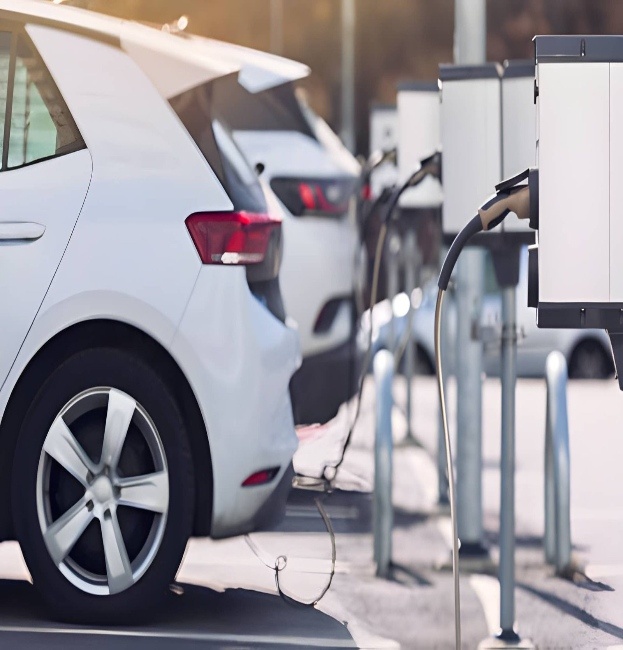
The expansion of charging infrastructure is a crucial factor in supporting widespread EV adoption. Public and private stakeholders are investing heavily in charging networks to ensure accessibility and convenience for drivers.
Urban areas are seeing increased deployment of public charging stations in parking facilities, retail locations, and residential complexes. Meanwhile, workplace charging is becoming more common as employers support sustainable commuting options.
Smart charging technologies are also emerging, allowing vehicles to communicate with energy systems to optimize charging times and energy usage. These advancements not only improve user convenience but also help balance energy demand across power grids.
Government Policies and Regulatory Influence
Government policies continue to shape the direction of the electric vehicle market. Regulatory frameworks aimed at reducing emissions and promoting clean energy have encouraged manufacturers to prioritize electric vehicle development, along with the adoption of solutions like car electric charger home systems.
Supportive measures such as infrastructure funding, research initiatives, and sustainability targets have accelerated innovation across the industry. At the same time, stricter emissions standards are prompting automakers to transition away from traditional powertrains.
While regulatory approaches vary by region, the overall trend points toward increased support for electric mobility as part of broader environmental and economic strategies.
Consumer Adoption and Market Demand Trends
Consumer acceptance of electric vehicles has grown significantly as awareness, confidence, and accessibility increase. Buyers are increasingly evaluating electric vehicles based on performance, convenience, and long-term value rather than novelty.
Factors influencing adoption include vehicle reliability, charging availability, and total cost of ownership. As technology improves and charging networks expand, electric vehicles are becoming a viable option for a wider range of consumers.
Commercial adoption is also rising, with businesses integrating electric vehicles into fleets to reduce emissions, enhance brand reputation, and achieve operational efficiencies.
Automaker Strategies and Industry Competition
Automakers are redefining their strategies to remain competitive in an increasingly electrified market. Legacy manufacturers are transitioning their product lines toward electric platforms, while new entrants are focusing exclusively on EV development.
Investments in research and development have intensified, with manufacturers exploring modular vehicle architectures that allow for scalability and customization. Strategic partnerships are also becoming more common, enabling companies to share expertise and accelerate innovation.
Competition within the EV market is driving rapid advancements in design, performance, and user experience, benefiting consumers and encouraging continuous improvement across the industry.
Sustainability and Environmental Impact
Sustainability remains a central pillar of the electric vehicle movement. By reducing reliance on fossil fuels, EVs contribute to lower emissions and improved air quality, particularly in urban environments.
Manufacturers are increasingly considering the full lifecycle impact of electric vehicles, including battery production, material sourcing, and end-of-life recycling. Efforts to develop circular economy models aim to minimize waste and maximize resource efficiency.
The integration of renewable energy sources into charging infrastructure further enhances the environmental benefits of electric vehicles, aligning transportation with broader clean energy goals.
Challenges Facing the Electric Vehicle Market
Despite significant progress, the electric vehicle market faces several challenges that must be addressed to ensure sustained growth. Infrastructure gaps remain in certain regions, limiting accessibility for some consumers.
Battery supply chains are under pressure as demand increases, raising concerns about material availability and ethical sourcing. Grid capacity and energy management also require careful planning to support large-scale electrification.
Consumer concerns around range, charging convenience, and long-term reliability persist, underscoring the need for continued education and technological advancement.
The Role of Innovation in Shaping the EV Future
Innovation will continue to define the trajectory of the electric vehicle market. Emerging technologies such as vehicle-to-grid systems enable EVs to interact with energy networks, providing additional value beyond transportation.
Advancements in artificial intelligence and data analytics are enhancing vehicle efficiency, predictive maintenance, and personalized driving experiences. As vehicles become increasingly software-defined, the line between transportation and digital ecosystems continues to blur.
Electric vehicles are also expected to play a role in smart city initiatives, contributing to integrated mobility solutions that prioritize sustainability, efficiency, and connectivity.
Conclusion – What the Latest Developments Mean for the EV Market
The electric vehicle market is at a pivotal moment, driven by innovation, sustainability goals, and evolving consumer demands. Recent developments in technology, infrastructure, and policy have laid a strong foundation for long-term growth.
As challenges are addressed and solutions continue to emerge, electric vehicles are poised to become a dominant force in global transportation. For consumers, businesses, and governments alike, the shift toward electric mobility represents an opportunity to build a more sustainable, efficient, and connected future.
The latest developments signal not just progress, but a fundamental transformation of how the world moves—one that places electric vehicles at the center of tomorrow’s mobility ecosystem. Contact us today to learn more about electric mobility solutions and how you can be part of this transition.
Frequently Asked Questions (FAQs)
The market is driven by technological advancements, environmental concerns, government support, and changing consumer expectations.
Ongoing improvements in battery systems, software integration, and charging infrastructure are enhancing performance, reliability, and convenience.
Yes, increased infrastructure investment and broader model availability are making EVs more accessible to a wider audience.
Key challenges include infrastructure availability, supply chain constraints, and consumer education.
The market is expected to expand across consumer, commercial, and public transportation sectors, supported by continued innovation and policy alignment.