How to Choose the Best Electric Vehicle Charger for Your Driving Needs
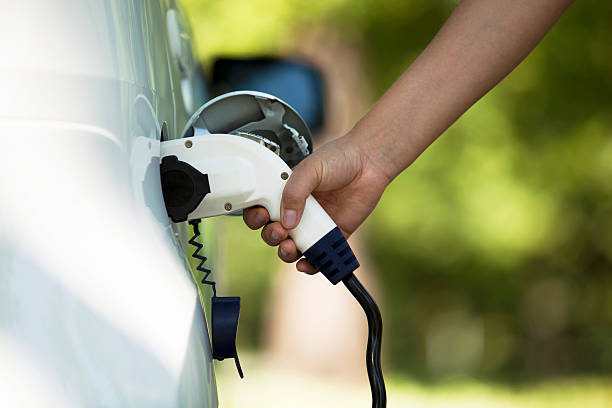
As electric vehicles continue to gain popularity, selecting the right electric vehicle charger has become an essential consideration for EV owners. Charging efficiency, compatibility, installation requirements, and long-term reliability all influence how convenient and cost-effective EV ownership can be.
This guide explains how different ev charger types work, outlines key factors to consider, and provides a practical charger comparison to help you choose the most suitable solution for your driving habits. Whether you primarily charge at home or rely on a mix of home and public charging, understanding your options ensures better performance and peace of mind.
EV-Hub (Wholesale) Limited supports EV users by offering access to reliable charging solutions and clear technical information. Making an informed choice today can improve charging efficiency and support your vehicle’s long-term performance.
Understanding Electric Vehicle Charging Basics
An electric vehicle charger supplies power from the electrical grid to recharge your vehicle’s battery. Charging speed depends on both the charger’s output and your vehicle’s onboard charging capacity.
Power output is measured in kilowatts, while the total energy stored is measured in kilowatt-hours. A higher-powered charger can deliver faster charging, but only if the vehicle supports it.
Choosing the right electric vehicle charger starts with understanding how much power your vehicle can accept and how quickly you need it charged based on daily usage.
Overview of EV Charger Types
Knowing the different ev charger types helps narrow down the most suitable option for your needs. EV chargers are generally classified into three main levels.
Level 1 Chargers
Level 1 chargers use a standard household outlet and typically require no additional installation.
Key characteristics:
- Low power output
- Slow charging speed
- Suitable for minimal daily driving
This electric vehicle charger type is often adequate for drivers with short commutes who can charge overnight.
Level 2 Chargers
Level 2 chargers operate on a dedicated electrical circuit and are widely used in homes, workplaces, and public locations.
Key characteristics:
- Faster charging than Level 1
- Requires professional installation
- Compatible with most EVs
Many drivers prefer Level 2 chargers for daily use due to their balance of speed and practicality. EV-Hub (Wholesale) Limited provides access to a range of Level 2 charging solutions suitable for residential and commercial use.
DC Fast Chargers
DC fast chargers deliver high power directly to the vehicle battery and are mainly installed at public charging stations.
Key characteristics:
- Very fast charging times
- Higher equipment and installation costs
- Commonly used for long-distance travel
While not typically used for home charging, they play an important role in public infrastructure.
Electric Vehicle Charger Comparison Table
The following charger comparison provides a clear overview of common charger options.
| Charger Type | Power Output | Charging Speed | Best Use Case |
| Level 1 | Low | Slow | Short commutes, overnight charging |
| Level 2 | Medium | Moderate to fast | Home and workplace charging |
| DC Fast | High | Very fast | Public charging and long journeys |
This charger comparison highlights why Level 2 chargers are often the most practical choice for everyday EV owners.

Key Factors to Consider When Choosing an Electric Vehicle Charger
Selecting the right electric vehicle charger involves evaluating more than just charging speed. The following factors can help guide your decision.
Vehicle Compatibility
Each EV has a maximum charging capacity. Ensure the charger you choose matches your vehicle’s specifications, including connector type and power rating.
Understanding ev charger types helps prevent compatibility issues and ensures optimal performance.
Driving Patterns and Daily Mileage
Drivers with longer daily commutes may benefit from faster charging options, while those with limited driving needs may find slower charging sufficient.
Your typical driving routine should influence the charger comparison process.
Installation and Electrical Capacity
Level 2 chargers often require electrical upgrades and professional installation. Before purchasing, consider your available power supply and installation location.
EV-Hub (Wholesale) Limited offers solutions suitable for different electrical setups, helping users find chargers that align with their infrastructure.
Smart Features and Technology
Modern chargers often include smart functionality designed to improve efficiency and user control.
Common features include:
- Scheduled charging
- Energy usage monitoring
- Mobile app integration
- Load management
These features can reduce energy costs and enhance convenience. Including smart capabilities in your charger comparison can help identify long-term value.
Safety and Compliance Considerations
Safety is a critical element when selecting an electric vehicle charger. Chargers should comply with relevant electrical and safety standards.
Key safety features include:
- Overcurrent protection
- Ground fault detection
- Weather resistance for outdoor use
EV-Hub (Wholesale) Limited prioritises compliant and reliable charging solutions designed for long-term use.
Home Charging vs Public Charging
Understanding the differences between home charging and public charging helps EV owners develop a practical and reliable charging strategy. Each option serves a distinct purpose depending on driving habits, access to infrastructure, and charging frequency.
Home Charging
Home charging provides consistent access, greater convenience, and more predictable energy costs. For most drivers, installing a Level 2 electric vehicle charger at home allows overnight charging, ensuring the vehicle is ready for daily use. Home charging also reduces reliance on public infrastructure and helps maintain regular charging routines.
Public Charging
Public charging plays an important role during long-distance travel, irregular driving schedules, or situations where home charging is not available. Public chargers, especially DC fast chargers, can significantly reduce charging time, making them useful for topping up during extended trips.
Creating a Balanced Charging Approach
Combining home charging with occasional public charging offers flexibility and resilience. A home-based electric vehicle charger supports daily needs, while access to public chargers ensures coverage for unexpected travel or higher mileage periods. This balanced approach allows EV owners to adapt to different driving scenarios without compromising convenience or efficiency.
Cost Considerations and Long-Term Value
When evaluating cost, it is important to look beyond the initial purchase price of an electric vehicle charger. While lower-cost options may seem appealing at first, they may lack durability, advanced safety features, or compatibility with future vehicle upgrades. A well-selected charger can deliver consistent performance, improved energy efficiency, and reduced maintenance requirements over time.
Installation expenses should also be factored into the overall cost. Some ev charger types require electrical upgrades, professional installation, or additional safety components, all of which can influence the total investment. Understanding these requirements early helps avoid unexpected expenses.
A thorough charger comparison should account for:
- Purchase and installation costs
- Ongoing maintenance and servicing needs
- Energy efficiency and power management features
- Expected lifespan and build quality
- Compatibility with future electric vehicle models
Considering long-term value allows EV owners to assess how a charger will perform over several years rather than focusing solely on upfront pricing. EV-Hub (Wholesale) Limited provides clear product information and technical details to support informed purchasing decisions based on both immediate requirements and long-term usability.
How EV-Hub (Wholesale) Limited Supports EV Owners
EV-Hub (Wholesale) Limited supports EV owners by providing access to technically detailed information and a structured range of electric vehicle charger options suitable for different use cases. The platform helps users compare specifications such as power output, connector compatibility, and installation requirements, allowing for informed selection based on vehicle type and charging habits.
By focusing on clarity and accuracy, EV-Hub (Wholesale) Limited enables customers to evaluate ev charger types and perform a meaningful charger comparison without relying on assumptions or incomplete data.
Guidance for Selecting the Right Charging Solution
Choosing an electric vehicle charger can involve multiple variables, including driving frequency, available electrical capacity, and future vehicle upgrades. EV-Hub (Wholesale) Limited addresses these considerations by presenting chargers in clearly defined categories, helping users identify suitable options for home, workplace, or shared charging environments.
This structured approach supports long-term decision-making by encouraging users to consider both current requirements and potential changes, such as increased daily mileage or vehicle replacement, when selecting a charging solution.
Conclusion
Choosing the right electric vehicle charger involves understanding ev charger types, assessing your driving habits, and performing a careful charger comparison. The right solution supports efficient charging, improves convenience, and enhances the overall EV ownership experience.
By considering compatibility, installation requirements, safety standards, and long-term value, you can select a charger that meets both present and future needs. EV-Hub (Wholesale) Limited provides reliable information and access to charging solutions designed to support informed decisions.
If you need further assistance or personalized guidance, contact us through EV-Hub (Wholesale) Limited to discuss your charging requirements with an experienced team.
Frequently Asked Question
For most households, a Level 2 electric vehicle charger offers a practical balance of speed and efficiency, making it ideal for overnight charging.
No. Compatibility depends on connector type and vehicle charging capacity. Reviewing ev charger types helps ensure the correct match.
Charging time varies by battery size and charger output. A Level 2 charger can typically recharge an EV overnight.
Yes, professional installation is generally recommended to ensure safety and compliance with electrical standards.
You can review available options and perform a detailed charger comparison by visiting the EV-Hub (Wholesale) Limited online store.