Understanding EV Charging Options and Best Practices
Electric vehicles are becoming a common part of modern transportation. As more drivers transition from gasoline vehicles to electric models, understanding how to charge an electric vehicle effectively becomes essential. Charging methods vary depending on location, equipment, and daily driving needs.
A reliable EV charging guide helps drivers understand how different charging systems work and how to use them efficiently. Whether charging at home, using public charging infrastructure, or relying on fast charging during long trips, each method plays a different role in the EV ownership experience.
This article explains the main charging options available to electric vehicle owners and provides practical guidance on how to build an efficient charging routine.
Introduction to Electric Vehicle Charging
Electric vehicle charging refers to the process of transferring electrical energy from a power source to the vehicle’s battery. Unlike traditional fueling, which takes only a few minutes, EV charging can take different amounts of time depending on the charging level used.
There are three main charging environments:
- Home charging, which allows drivers to recharge their vehicles overnight
- Public charging, which supports drivers while they are away from home
- Fast charging, which provides rapid energy delivery during long-distance travel
Understanding how each charging method works helps drivers choose the most efficient solution for their driving patterns.
What Is an EV Charging Guide and Why It Matters
An EV charging guide is designed to help both new adopters and experienced EV drivers understand the fundamentals of charging technology and infrastructure.
The Growing Importance of Charging Knowledge
As electric vehicle adoption increases, charging networks and technologies continue to expand. Drivers benefit from understanding:
- Charging speeds and levels
- Infrastructure availability
- Equipment compatibility
- Charging costs
Having clear knowledge of these factors helps EV owners make informed decisions about where and when to charge their vehicles.
Charging Options and Daily Vehicle Use
Charging strategies often depend on daily driving distance. Some drivers charge their vehicles overnight at home, while others rely more heavily on public charging networks due to travel patterns or living arrangements.
Understanding charging options helps drivers plan efficient routines and avoid unnecessary delays.
Types of EV Charging Options
Electric vehicles can be charged in several different environments. Each option offers unique advantages depending on accessibility and charging speed.
Home Charging
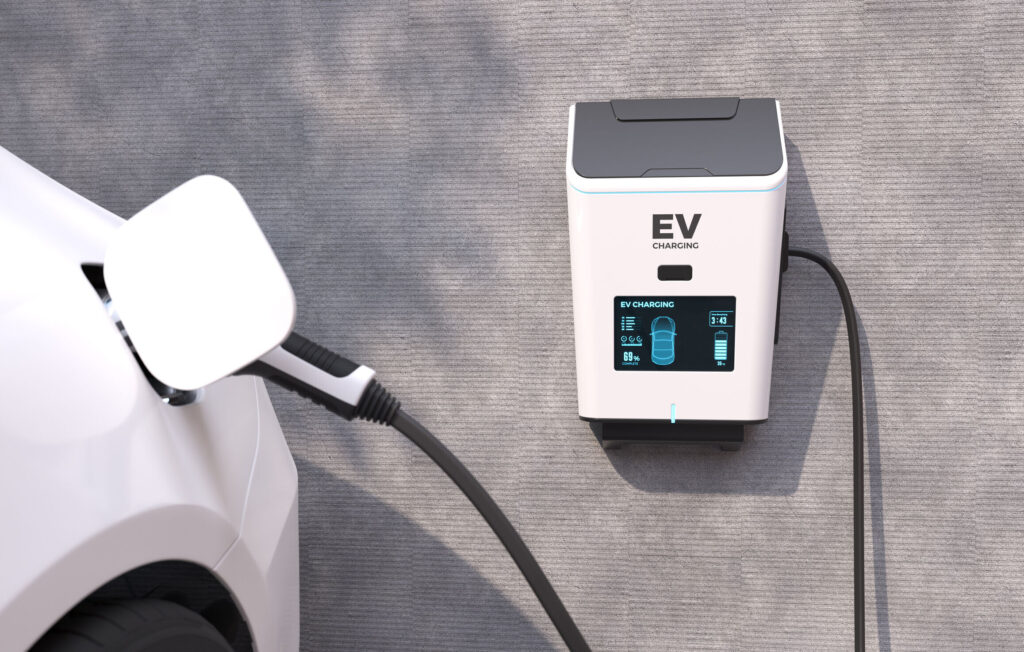
Home charging is one of the most convenient ways to recharge an electric vehicle. Drivers can connect their vehicle to a home charging unit and allow the battery to recharge overnight.
Benefits of home charging include:
- Convenience and accessibility
- Reduced reliance on public infrastructure
- Ability to charge during off-peak electricity hours
Home charging is particularly useful for drivers who follow regular commuting schedules.
Public Charging
Public charging stations are installed in locations such as shopping centers, parking garages, highways, and office complexes. These stations allow EV owners to charge their vehicles while running errands, working, or traveling.
Public charging helps extend driving range and supports drivers who do not have access to home charging equipment.
Workplace and Destination Charging
Many workplaces and commercial locations now provide EV charging facilities. These stations allow drivers to recharge their vehicles during extended parking periods.
Destination charging is often available at:
- Hotels
- Restaurants
- Retail centers
- Office buildings
This type of charging supports convenient energy replenishment during everyday activities.
Home Charging Setup Explained
Home charging is often considered the foundation of a practical EV charging routine.
Level 1 Charging Basics
Level 1 charging uses a standard household electrical outlet. This method requires no special equipment beyond the charging cable provided with the vehicle.
Key characteristics include:
- Uses a standard 120 volt outlet
- Slow charging speed
- Suitable for overnight charging
Level 1 charging can typically add a small amount of range per hour, making it suitable for drivers with shorter daily commutes.
Level 2 Charging
Level 2 charging is a faster home charging solution that uses a dedicated charging station connected to a higher voltage power supply.
Advantages include:
- Faster charging compared to Level 1
- More efficient overnight charging
- Greater convenience for daily drivers
Many EV owners install Level 2 chargers to reduce charging time and improve flexibility.
Equipment and Installation Considerations
Installing a home charging system may involve electrical upgrades. Factors that influence installation include:
- Electrical panel capacity
- Parking location
- Local electrical regulations
Professional installation ensures safe operation and reliable performance.
Understanding Public Charging Infrastructure
Public charging networks support drivers when they are away from home or traveling long distances.
Types of Public Charging Stations
Public charging stations generally fall into two categories:
- Level 2 chargers located in commercial or urban areas
- Fast charging stations positioned along highways and major travel routes
Both options play an important role in expanding EV accessibility.
Common Locations for Public Charging
Public charging stations are often found in:
- Retail parking areas
- Urban parking structures
- Highway service areas
- Municipal facilities
The availability of charging stations continues to increase as EV adoption grows.
Payment and Access Systems
Public charging networks may require users to pay for electricity through mobile apps, membership programs, or credit card payment systems.
Drivers should check charging station compatibility and pricing before starting a charging session.
Fast Charging Basics
Fast charging is designed to provide rapid battery replenishment, particularly during long-distance travel.
What Is DC Fast Charging
DC fast charging delivers high levels of electrical power directly to the vehicle’s battery. This significantly reduces charging time compared with standard methods.
Fast charging stations are commonly located along major highways and transportation corridors.
When to Use Fast Charging
Fast charging is typically used when drivers need to quickly extend their driving range. It is especially useful during:
- Road trips
- Long-distance travel
- Situations where home charging is unavailable
Battery Considerations
Although fast charging is convenient, frequent use may generate more heat within the battery. Many manufacturers recommend balancing fast charging with regular home charging to maintain battery performance over time.
Best Practices for Efficient EV Charging
Building an efficient charging routine helps drivers maximize convenience while managing energy costs.
Plan Charging Around Daily Driving
Drivers should evaluate their daily mileage and determine how much charging is required to maintain sufficient battery range.
Many EV owners find that charging overnight once or twice per week is sufficient for normal commuting.
Use Home Charging as the Primary Option
When available, home charging is often the most practical option. It allows vehicles to recharge during extended parking periods without requiring additional travel.
Monitor Charging Costs
Electricity prices may vary by time of day. Charging during off-peak hours can help reduce energy costs.
Avoid Frequent Full Discharges
Maintaining moderate battery levels rather than allowing the battery to fully discharge can help preserve long-term battery performance.
Safety Considerations for EV Charging
Charging equipment must be used safely to ensure reliable operation.
Professional Installation for Home Charging
Home charging stations should be installed by qualified professionals to ensure that electrical systems meet safety requirements.
Inspect Charging Equipment
Drivers should regularly inspect cables and connectors for signs of wear or damage.
Use Compatible Charging Stations
Vehicles must be connected to compatible charging equipment that matches the vehicle’s connector and charging standards.
Choosing the Right Charging Setup for Your Lifestyle
EV charging strategies often depend on where drivers live and how they use their vehicles.
Daily Commuters
Drivers who commute regularly often rely primarily on home charging. Overnight charging provides enough range for daily travel.
Long-Distance Drivers
Drivers who travel frequently between cities may rely more heavily on public charging and fast charging infrastructure.
Apartment and Urban Residents
Drivers living in apartment buildings or urban areas may depend more on public charging networks, especially if private parking is unavailable.
Understanding available charging options helps drivers build a routine that fits their specific needs.
Conclusion
Electric vehicle charging is an essential part of EV ownership. A practical EV charging guide helps drivers understand the differences between home charging, public charging, and fast charging basics. Each charging method plays a specific role in maintaining vehicle range and supporting daily transportation needs.
Home charging often provides the most convenient solution for regular use, while public charging networks expand accessibility for drivers who travel frequently or lack private charging equipment. Fast charging stations support long-distance travel by providing rapid battery replenishment.
Companies such as EV Hub contribute to the development and accessibility of EV charging infrastructure and information for drivers adopting electric vehicles. By understanding charging options and following best practices, EV owners can build efficient routines that support both convenience and long-term battery performance.