What You Need to Know About Home EV Chargers
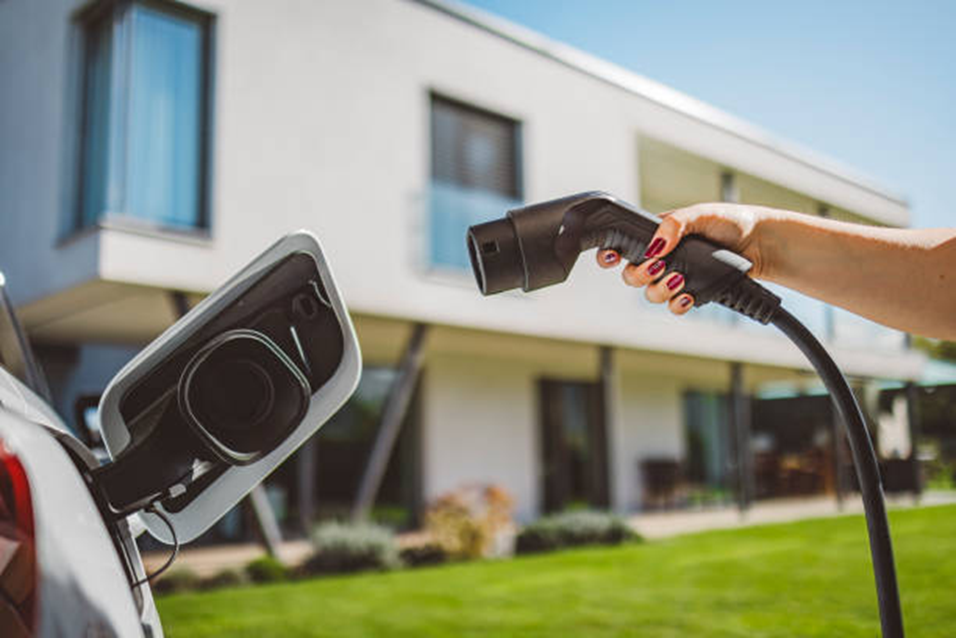
As electric vehicles become a practical choice for more households, charging at home has moved from convenience to a necessity. Understanding how home EV chargers work, what is required to install them, and how to ensure compatibility with your vehicle helps you make informed decisions without unnecessary expense or complications.
This guide explains home EV charger essentials in clear terms, covering equipment types, installation considerations, setup requirements, and long-term usage. The information is designed to help homeowners, property managers, and EV owners plan responsibly while meeting everyday charging needs. Throughout this article, insights are shared based on industry practices supported by EV-Hub (Wholesale) Limited and its experience in EV charging equipment.
Understanding Home EV Charger Basics
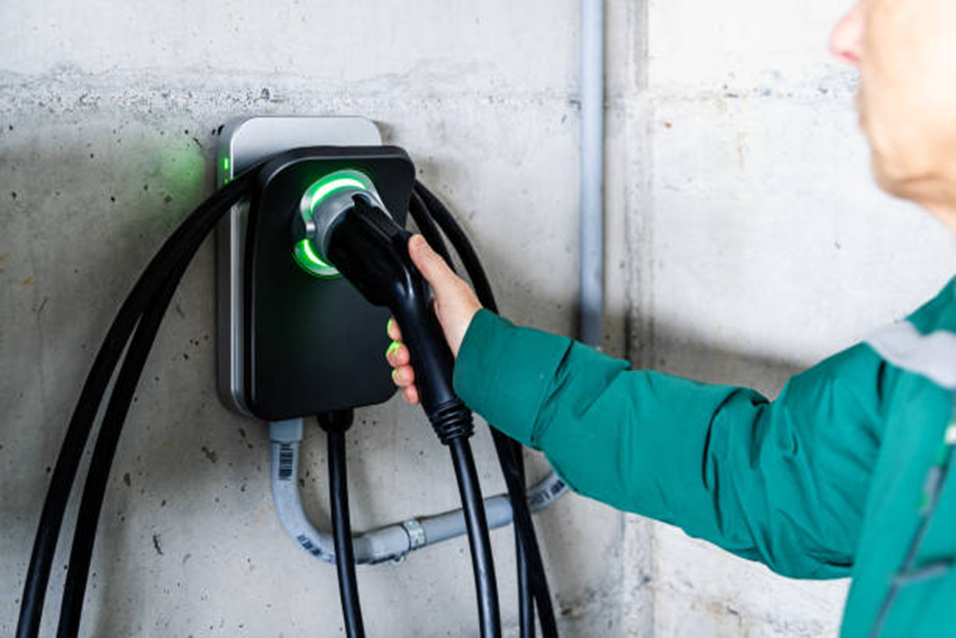
Home EV chargers are devices that supply electricity from your home’s electrical system to recharge an electric vehicle battery. While all EVs come with a basic charging cable, many owners choose a dedicated home charger for reliability, faster charging, and improved safety.
When exploring home EV charger essentials, it is important to distinguish between charger levels, electrical requirements, and how charging speed impacts daily use.
Types of Home EV Chargers
Home chargers are generally grouped into two categories based on power output.
Level 1 Chargers
Level 1 chargers use a standard household power outlet. They are often included with the vehicle and require no additional installation.
Key characteristics include:
- Uses a standard wall socket
- Slower charging speed
- Suitable for low mileage daily driving
While Level 1 charging may be sufficient for some users, it is often impractical for households that rely on their EV as a primary vehicle.
Level 2 Chargers
Level 2 chargers are the most common choice for residential installations. They require a dedicated electrical circuit and provide significantly faster charging.
Benefits include:
- Reduced charging time
- Designed for regular daily use
- Compatible with most modern EVs
EV-Hub (Wholesale) Limited supplies a wide range of Level 2 charging solutions suitable for residential and light commercial use, helping users balance performance with electrical capacity.
Home EV Charger Essentials for Everyday Use
Selecting the right charger involves more than choosing a power rating. Understanding home EV charger essentials means considering electrical safety, ease of use, and future needs.
Essentials include:
- Reliable power output
- Compliance with electrical standards
- Appropriate cable length and connector type
- Weather resistance for outdoor installations
A charger that meets these basic requirements helps ensure consistent performance without unnecessary upgrades later.
Charger Installation Overview
A clear charger installation overview is critical before committing to a home EV charger. Installation typically requires professional assessment and compliance with local electrical regulations.
Electrical Capacity Assessment
Before installation, an electrician will assess:
- Existing electrical panel capacity
- Available circuit breakers
- Total household electrical load
Homes with older electrical systems may require panel upgrades to safely support a Level 2 charger.
Dedicated Circuit Requirements
Most Level 2 chargers require:
- A dedicated circuit
- Proper grounding
- Circuit protection such as residual current devices
These setup requirements help reduce risks such as overheating or electrical faults.
Installation Location Considerations
Choosing the right location improves safety and convenience:
- Close proximity to parking area
- Protection from water exposure
- Adequate ventilation
Outdoor installations may require weather rated enclosures and mounting hardware.
Setup Requirements for Home EV Chargers
Understanding setup requirements helps avoid delays and unexpected costs. While requirements vary by charger model, several factors are common.
Power Supply and Wiring
Most residential chargers require:
- Single phase or three phase power depending on output
- Proper cable thickness
- Compliance with national wiring standards
Incorrect wiring can affect performance and safety, making professional installation essential.
Network Connectivity
Some modern chargers include smart features such as:
- Wi-Fi or Ethernet connectivity
- Mobile app monitoring
- Load balancing
While not mandatory, these features can help manage energy usage and track charging sessions.
Compliance and Certification
Chargers should comply with:
- Electrical safety standards
- Local building regulations
- Manufacturer certification
Products supplied by EV-Hub (Wholesale) Limited are designed to meet industry standards, supporting reliable long-term operation.
Compatibility Tips for Different EV Models
Compatibility tips are essential when selecting a home charger, as not all chargers suit every vehicle or electrical setup.
Connector Types
Most modern EVs use standardized connectors, but variations still exist. Always confirm:
- Vehicle connector type
- Charger connector compatibility
- Cable length requirements
Charging Capacity Alignment
The charger’s output should align with the vehicle’s onboard charger capacity. A higher powered charger will not charge faster if the vehicle cannot accept the additional power.
Matching charger capacity to vehicle capability improves efficiency without unnecessary expense.
Future Vehicle Considerations
If you plan to upgrade your vehicle, consider a charger that supports higher power output or adjustable settings. These compatibility tips help ensure the charger remains useful over time.
Comparison of Home EV Charger Levels
| Feature | Level 1 Charger | Level 2 Charger |
| Power Source | Standard household outlet | Dedicated electrical circuit |
| Charging Speed | Slow | Moderate to fast |
| Installation Complexity | Minimal | Professional installation required |
| Daily Use Suitability | Limited | High |
| Long Term Convenience | Low | High |
This table highlights why many homeowners transition to Level 2 chargers after understanding charger installation overview and usage patterns.
Energy Efficiency and Cost Considerations
Charging at home is often more cost effective than public charging, but efficiency depends on several factors.
Electricity Tariffs: Charging during off peak hours can reduce costs. Some smart chargers support scheduled charging to align with lower electricity rates.
Charger Efficiency: Higher quality chargers minimize energy loss during charging. This improves overall efficiency and reduces long term costs.
Maintenance Requirements: Home chargers generally require minimal maintenance. Periodic inspection of cables and connectors ensures continued safe operation.
Safety and Compliance Considerations
Safety remains a core aspect of home EV charger essentials.
Key safety factors include:
- Proper earthing
- Overcurrent protection
- Weather rated enclosures for outdoor units
Ignoring safety standards can result in damage to vehicles or household electrical systems. Always rely on certified products and qualified installers.
Environmental Impact of Home EV Charging
Charging at home plays an important role in supporting sustainable transportation, particularly when combined with efficient energy use and thoughtful planning. As more households transition to electric vehicles, home charging can contribute to broader environmental goals by reducing overall emissions and improving energy efficiency.
Reduced Reliance on Fossil Fuels
Home EV charging helps decrease dependence on petrol and diesel, especially when electricity is sourced from cleaner energy grids. As renewable energy becomes a larger part of national power generation, the environmental benefits of home charging continue to increase.
Lower Greenhouse Gas Emissions
Compared to traditional internal combustion vehicles, electric vehicles produce significantly lower emissions over their lifetime. Charging at home, particularly during off peak hours when energy demand is lower, helps minimize the carbon footprint associated with daily driving.
Integration with Renewable Energy Sources
One of the key advantages of home EV charging is the potential integration with renewable energy systems such as rooftop solar panels. Homeowners can generate electricity on site and use it to charge their vehicles, reducing reliance on grid electricity and lowering overall emissions.
Understanding setup requirements and energy management supports environmentally responsible charging practices.
Important Factors to Keep in Mind When Selecting a Home EV Charger
Selecting a home EV charger without adequate planning can lead to unnecessary costs, performance limitations, or safety concerns. Many issues arise not from the charger itself but from decisions made early in the selection and installation process.
Check Vehicle Compatibility
One of the most common issues is overlooking whether the charger is fully compatible with the electric vehicle. Chargers vary in connector types and power output, and not all vehicles can use the maximum capacity offered by a charger. Reviewing compatibility tips such as connector standards, charging speed limits, and cable length helps ensure the charger works efficiently with both current and future vehicles.
Assess Electrical Capacity Early
Underestimating a home’s electrical capacity can cause long term problems. Some homes require upgrades to the electrical panel or additional wiring to safely support a Level 2 charger. Without proper assessment, chargers may trip breakers or charge inconsistently. A basic charger installation overview that includes an electrical inspection can prevent these issues.
Choose Certified and Reliable Equipment
Selecting a charger without recognized safety certification is another common mistake. Certified chargers are tested to meet electrical and safety standards, reducing the risk of overheating, faults, or early failure. Reliable equipment also tends to perform more consistently over time, making it a better long-term choice.
By focusing on these simple considerations, homeowners can avoid common pitfalls and create a charging setup that is safe, efficient, and dependable for everyday use.
Conclusion
Choosing the right home EV charger involves understanding technical details, installation considerations, and everyday usage needs. By focusing on home EV charger essentials, reviewing a clear charger installation overview, and following practical compatibility tips, homeowners can make informed decisions that support safe and efficient charging.
Proper planning of setup requirements ensures the charger integrates smoothly with your electrical system while remaining adaptable for future vehicle upgrades. EV-Hub (Wholesale) Limited continues to support informed decision making by providing reliable charging solutions and technical resources. Contact us today for expert advice on your EV charging needs.
Frequently Asked Question
For most households, a Level 2 charger offers the best balance of speed and convenience. It supports regular daily charging and aligns with common home EV charger essentials.
Most modern EVs are compatible with standard residential chargers, but checking connector types and vehicle charging capacity is important. Following compatibility tips helps avoid issues.
Yes, professional installation is recommended to meet electrical safety standards and ensure proper setup requirements are followed.
Installation time varies depending on electrical upgrades needed. Most standard installations can be completed within a day once assessments are complete.
Many homeowners integrate solar energy systems with home chargers. Smart chargers can help manage energy usage efficiently.