Home EV Charging Station: What It Is and How It Works
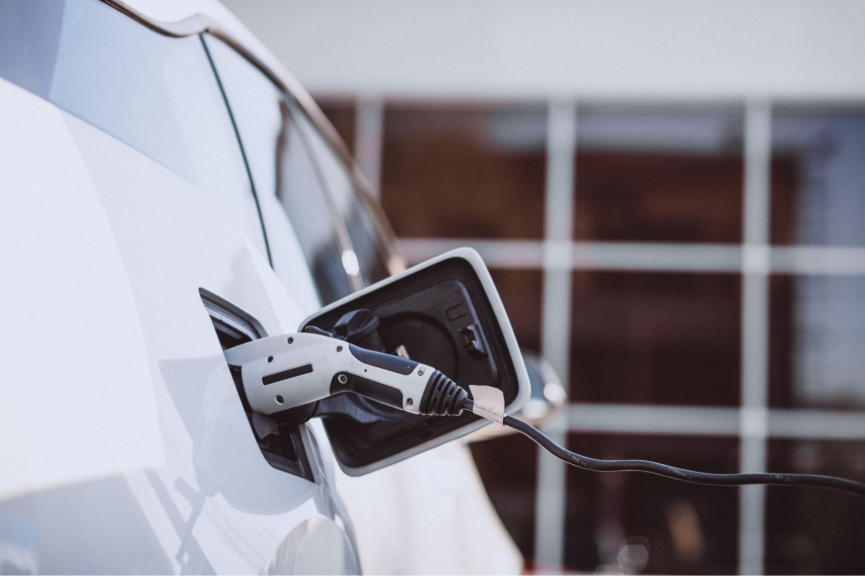
A home EV charging station is a dedicated unit, usually wall mounted or on a post, that connects your electric car to your household electricity supply so it can recharge safely overnight or whenever it is parked. Unlike the three pin cable that comes with most EVs, a proper home charger delivers power faster, more safely, and with smart features like scheduled charging. Most UK EV owners do more than 80 percent of their charging at home, which is why understanding how the setup works, what it costs to run, and what daily use actually looks like matters before you buy a car or a charger.
Key Takeaways
- A home EV charging station (also called a wallbox, home charge point, or EV charging point) plugs into your home’s electrical supply and charges your car far faster than a standard socket.
- Most UK homes install a 7kW charger, which adds roughly 25 to 30 miles of range per hour, enough to fully charge most EVs overnight.
- Installation takes 2 to 4 hours once a qualified electrician has assessed your property, and the overall price depends on your property and installer.
- Running costs depend heavily on your electricity tariff, and switching to an EV specific overnight tariff can bring your cost per charge down significantly compared with a standard rate.
- Grants are still available in 2026, but they now target renters, flat owners, and households with on-street parking rather than standard homeowners with a driveway.
- Daily use is largely automatic: plug in, let the charger or app handle timing, and start each day with a full battery.
What Is a Home EV Charging Station?
A home EV charging station is a fixed unit installed at your property that supplies electricity to your electric or plug-in hybrid vehicle through a dedicated charging cable. It is sometimes called a home EV charger, wallbox, EV charging point, or domestic charge point, and these terms are used interchangeably across the industry.
The key difference between a home charging station and simply plugging into a wall socket is capacity and safety. A dedicated unit is wired directly to your consumer unit, includes its own circuit protection, and is built to handle repeated high current use without overheating. Most also include a data connection so the charger can be controlled through an app, scheduled to run during cheaper electricity hours, and monitored for faults.
How Does a Home EV Charger Work?
A home EV charger works by drawing electricity from your household supply, converting it to a safe and steady current, and feeding it to your car’s battery through a charging cable until the battery management system tells it to stop. You plug the cable into your car, the charger and vehicle communicate to agree a safe charging rate, and power flows until the car is full or you unplug it.
What Charging Speed Should You Expect?
Most UK homes are fitted with a single-phase 7kW charger, which is the practical limit for most domestic electrical supplies. At 7kW, a typical EV with a 60kWh battery going from near empty to full takes around 8 to 9 hours, which fits comfortably into an overnight charging window. Some properties with a three-phase supply can support faster units, but this is uncommon in residential settings and rarely necessary since most cars are parked far longer than they need to charge.
Is a Smart Charger Required?
Under UK Smart Charge Point Regulations, any new home charger sold and installed must be a smart charger. This means it can be scheduled to charge during off-peak hours, supports remote monitoring, and includes cyber security and randomised delay features so thousands of chargers do not all switch on at the exact same moment and strain the local grid. In practice, this makes smart charging the default rather than an optional upgrade.
What Do You Need for a Home Charging Setup?
A home charging setup needs three things: a suitable parking space next to or near your electrical supply, an electrical system capable of safely supporting the extra load, and a qualified, certified installer to fit the unit. Most installations follow a simple sequence from survey to first charge.
- Site survey. An installer checks your consumer unit, earthing arrangement, and the distance between your parking space and where the charger will be mounted.
- Distribution Network Operator (DNO) notification. For most single chargers this is a simple notification rather than a lengthy approval process, though it can take longer for properties with three-phase supplies or multiple chargers.
- Mounting and wiring. The charger is fixed to an exterior wall or a freestanding post if there is no suitable wall nearby, then wired back to the consumer unit with its own dedicated circuit.
- Commissioning and testing. The installer tests the unit, confirms safe operation, and shows you how to use the app or scheduling features.
- App setup. Most owners pair the charger with a smartphone app to set off-peak charging windows and monitor usage from day one.
If you do not have a wall in a convenient position, a dedicated EV charging post provides a freestanding mounting option, which is common for driveways set back from the house or shared parking areas.
Do You Need a Grant?
You might. As of 2026, standard homeowners with off-street parking are no longer eligible for a home charger grant, since the Electric Vehicle Homecharge Scheme closed to that group in April 2022. However, the EV Chargepoint Grant now covers renters, flat owners, and households with only on-street parking, contributing toward installation costs. Separate schemes exist for landlords fitting chargers at rental properties. Eligibility rules change periodically, so it is worth checking current guidance before booking an installer if you fall into one of these groups.
How Much Does It Cost to Run a Home EV Charger?
Running a home EV charger typically costs far less than fuelling a petrol or diesel car, but the exact figure depends entirely on your electricity tariff. Charging on a standard variable rate costs noticeably more per charge than charging on a dedicated EV overnight tariff, since these tariffs offer much cheaper rates during off-peak hours.
What Determines Your Monthly Running Cost?
Your overall monthly cost comes down to a combination of factors rather than a single fixed number:
- Tariff type. A standard variable rate versus a dedicated EV overnight tariff makes the single biggest difference to what you pay.
- Mileage. Higher monthly mileage means more charging cycles and a higher total cost, regardless of tariff.
- Battery size and efficiency. Larger batteries and less efficient driving both increase the energy needed per mile.
In nearly every case, switching to an EV specific tariff has a bigger impact on your running costs than any available grant, which is why it is worth prioritising before or shortly after installation.
What Affects Running Costs?
- Battery size. Larger batteries cost more per full charge but often mean fewer charges per month.
- Driving efficiency. Cold weather, motorway driving, and heavy use of heating or air conditioning increase consumption.
- Charger efficiency. A small amount of energy is lost as heat during conversion, typically 5 to 10 percent, which is normal and unavoidable.
- Tariff structure. Time of use tariffs reward charging in a fixed overnight window, so scheduling matters as much as the tariff you pick.
What Is Daily Use of a Home EV Charger Actually Like?
Daily use of a home EV charger is simpler than most new owners expect. You plug in when you arrive home, the charger or your car’s own settings hold off until your scheduled off-peak window begins, and charging happens automatically overnight. There is no need to visit a charging station, queue, or manage payment apps for routine use.
A typical routine looks like this:
- Arrive home and plug in the cable, whether tethered to the charger or a separate cable stored in the boot.
- The app or in-built car settings confirm a charging schedule, usually starting sometime after midnight when off-peak rates begin.
- Charging completes silently overnight, and most owners check progress through an app rather than physically checking the car.
- Unplug in the morning with a battery ready for the day’s driving, without any planning required beyond occasionally checking the app.
For most households, this removes the weekly routine of visiting a fuel station entirely. The main behaviour change is thinking in terms of overnight top ups rather than occasional full tank fill ups.
Common Mistakes and Misconceptions
- Assuming a standard socket is fine long term. A three pin plug can technically charge an EV, but it is not designed for the sustained current draw and is not covered by most charger warranties or insurance guidance for regular use.
- Believing all homeowners qualify for a grant. As covered above, most current UK grants target renters, flat owners, and on-street parking households, not standard driveway owning homeowners.
- Ignoring the tariff. Buying a charger without switching to an EV specific tariff means missing out on the largest available saving.
- Underestimating the DNO step. Even a straightforward single charger install usually needs a DNO notification, so factor this into your installation timeline.
- Overbuying charger speed. A 7kW charger is sufficient for nearly all UK homes and driving patterns. Faster options rarely make sense given typical overnight parking hours.
Expert Tips and Best Practices
- Always use an OZEV-approved, certified installer so the unit meets UK Smart Charge Point Regulations and any grant eligibility requirements.
- Compare EV specific electricity tariffs before or shortly after installation. The tariff usually matters more to your running costs than the charger model.
- Choose a charger with a tethered cable if you always drive the same car, or an untethered socket if you might switch vehicles or want to use different charging cables.
- Set your charging schedule to match your tariff’s off-peak window exactly, since charging even slightly outside it can significantly increase cost.
- If your parking space is away from a suitable wall, ask your installer about post mounted options rather than running long cables across a driveway.
venience of never needing a public charger for daily use applies regardless of mileage.
Conclusion
A home EV charging station takes the uncertainty out of electric car ownership. Once it is installed correctly, on the right tariff, and set to a sensible schedule, charging becomes a background task rather than a chore. Understanding the setup process, realistic running costs, and what daily use looks like helps you make a confident decision, whether you are choosing a charger for the first time or reviewing your current setup.
If you are ready to compare units, browse our full range of home EV chargers built for UK homes, or get in touch with EV-Hub (Wholesale) Limited for guidance on the right setup for your property.