EV Chargers

Showing 1–12 of 120 resultsSorted by popularity
- Sale!

Ohme – ePod – 7.4kW
Original price was: £469.00.£415.99Current price is: £415.99.5 in stock
- Sale!

NexBlue Point 2 (UK) – Official Stockist
Original price was: £499.00.£359.00Current price is: £359.00.8 in stock
- Sale!
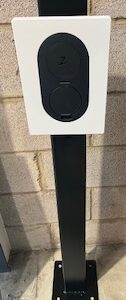
Zaptec Go Bundle
Original price was: £755.00.£555.00Current price is: £555.00.7 in stock
- Sale!

NexBlue Point UK 7.4kw – Black – Official Stockist
Original price was: £449.00.£309.00Current price is: £309.00.10 in stock
- Sale!
Official Pod Point Stockist Solo 3S 7kW Type 2 Tethered Unit
Original price was: £575.00.£424.99Current price is: £424.99.11 in stock
- Sale!
EASEE One EV Charger
Original price was: £495.00.£456.00Current price is: £456.00.18 in stock
- Sale!
Zaptec Go Asphalt Black
Original price was: £519.00.£349.00Current price is: £349.00.20 in stock
- Sale!
VCHRGD SEVEN TETHERED
Original price was: £499.00.£349.00Current price is: £349.00.3 in stock
- Sale!
Ohme – Home Pro – 7kW – Tethered – 8
Original price was: £579.00.£529.99Current price is: £529.99.3 in stock
- Sale!

Pod Point PP-A-210051-1 Freestanding Mount for Solo 3 EV Charger
Original price was: £230.00.£160.00Current price is: £160.00.75 in stock
- Sale!
Official Stockists Pod Point Solo 3S 7kW Universal Socket
Original price was: £525.00.£359.99Current price is: £359.99.47 in stock
- Sale!
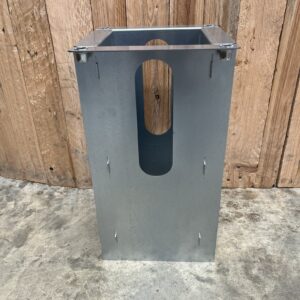
EV Post / Pedestal Ground Mounting Base
Original price was: £99.99.£49.99Current price is: £49.99.46 in stock


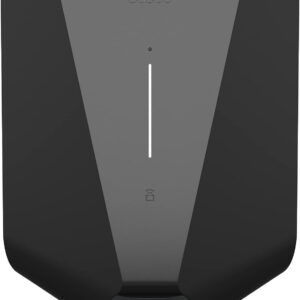
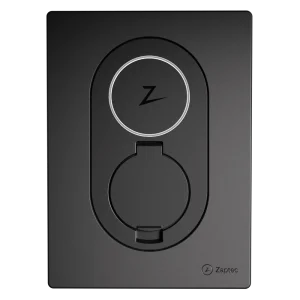
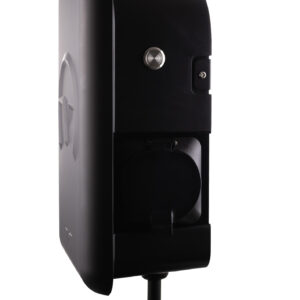



Benefits of Installing a Home EV Charger
Charging your electric vehicle at home offers convenience, efficiency, and long-term savings, making it a smart choice for every EV owner.
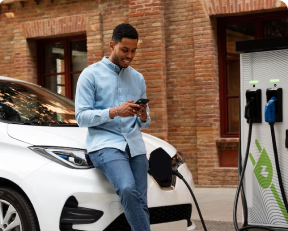
Convenient Home Charging
Installing a Project EV charger allows you to charge your car overnight without visiting public stations. Your home EV car charger ensures your vehicle is ready when you are, saving time and providing a hassle free experience.

Cost Effective and Efficient
A dedicated EV charger unit lets you take advantage of lower electricity rates during off-peak hours. Using a home electric car charging point reduces the cost per charge compared to public chargers, making it an economical solution for daily commuting.
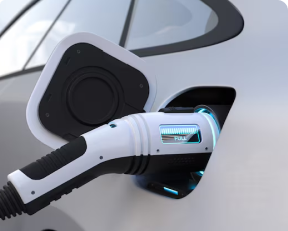
Reliable and Safe Power Supply
Residential electric vehicle chargers offer a stable and secure connection for your vehicle. With a domestic charging point like OHME EV chargers, you get consistent power delivery, ensuring your EV is charged efficiently every time.
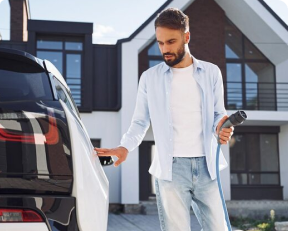
Future Proof and Eco Friendly
Installing residential EV charging stations prepares your property for the latest electric vehicles and sustainable energy trends. A home charging station for EV supports eco-friendly driving while adding value to your home for the long term.
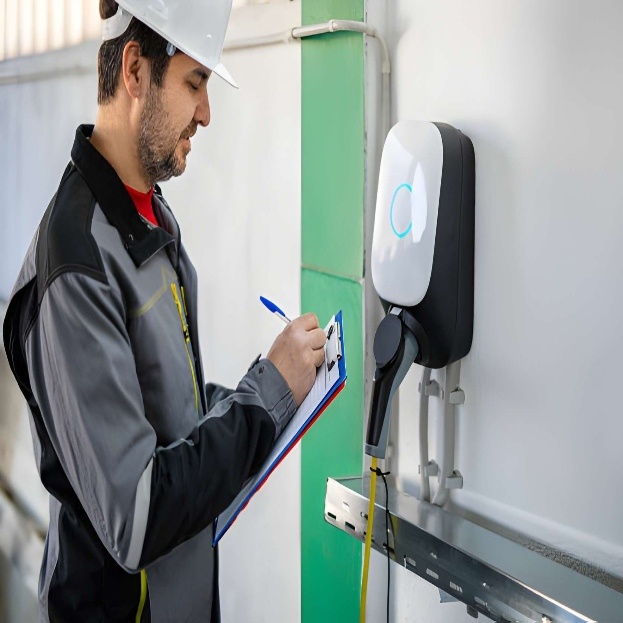
Safety Tips for Home EV Charging
Keep your home EV charger safe and efficient with these essential guidelines:

Use Certified Chargers
Always choose certified EV charger units like Evec EV charger to ensure safe and reliable operation. Certified chargers minimise risks like electrical faults or overheating
Professional Installation
Always choose certified EV charger units like Evec EV charger to ensure safe and reliable operation. Certified chargers minimise risks like electrical faults or overheating
Avoid Overloading Circuits
Do not share circuits with high-power appliances when using a residential EV charger such as Hypervolt EV charger. Dedicated circuits provide stable and safe charging.
Regular Inspection
Periodically check your home EV car charger for wear, damage, or loose connections. Routine inspections ensure consistent and secure performance.
Keep the Area Clear
Install your home charging station for EV in a dry, open space. Keeping the area clear prevents accidents and ensures easy access during charging.
Who Can Benefit from a Home EV Charger
A residential EV charger is a smart investment for anyone looking to simplify their electric vehicle charging experience.

Homeowners with Electric Vehicles
If you own an EV, installing a house charger for car ensures convenient, reliable charging without relying on public stations. It’s perfect for daily commuting and long trips alike.

New Build or Renovated Homes
New homes and renovations can easily integrate residential charging stations into their electrical setup, making it simple to future-proof your property for electric vehicles.

Families with Multiple EVs
Homes with more than one electric car benefit from multiple EV car chargers for home, allowing all vehicles to charge safely and efficiently.

Eco Conscious Drivers
Take the hassle out of charging your electric vehicle with premium home EV chargers such as OHME and Easee EV chargers. Enjoy the convenience of charging overnight, save time, and ensure your car is ready whenever you need it. Shop now to upgrade your home charging setup today!
Why Choose EV-Hub for Home EV Chargers?
Trade & Residential Expertise
EV-Hub offers fast delivery and competitive pricing for both professional installers and homeowners. When you need a home EV car charger, our solutions cater to all needs with ease.
Certified & Reliable Units
All our EV charger units, including Pod EV charger, meet stringent safety standards, ensuring reliable performance and peace of mind for every installation.
Ease of Installation
Our EV wall chargers are designed for simple installation. Expert guidance is available to help you set up your residential EV charging station safely and efficiently.
Future Ready Solutions
Our Project EV chargers are built to accommodate the latest electric vehicle models and evolving technology. Installing one ensures your home EV charging point remains compatible and future-proof.
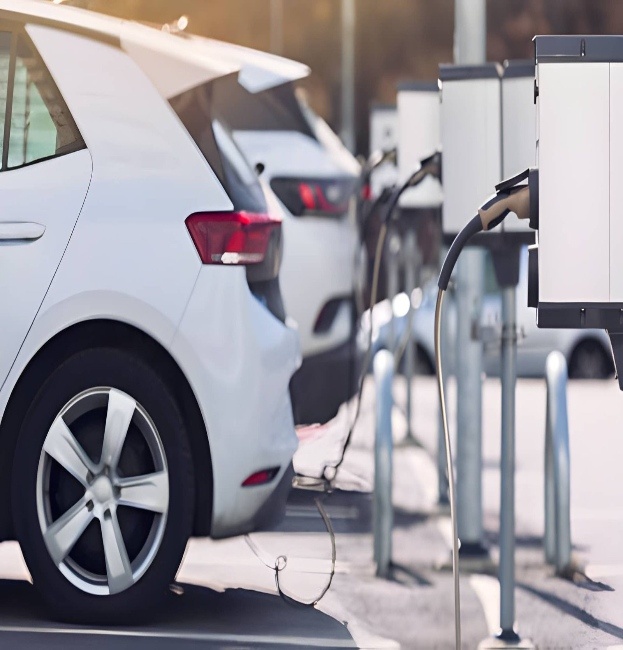
Frequently Asked Questions
Charging time depends on your EV model and the charger’s power output. Most options such as cord EV chargers can fully charge a standard EV overnight.
It’s recommended to have a residential EV charger installed by a qualified electrician to ensure safety and compliance with local regulations.
Most EV charger units are compatible with all EVs that use standard connectors, but it’s always best to check your vehicle’s charging requirements.
Many regions offer grants, rebates, or tax credits for installing residential EV chargers. Check local schemes to see if you qualify.
Some options like Indra EV chargers include smart features that allow you to track charging progress and control settings via a mobile app.
Yes, using a home EV car charger will increase electricity usage, but charging during off-peak hours can help reduce costs.
Yes, many residential charging stations are weatherproof and designed for outdoor installation, though proper mounting and protection from extreme conditions are recommended.
Absolutely. If you’re comparing different brands or charger features, get in touch with our team. We’ll help you find the right EV charger based on your vehicle, budget, and charging needs.